The Convergence of Compliance Frameworks and Incentive Programs in Regulated Mobile Casino Tables
Écrit par Xander Schmitt · 5/9/2026
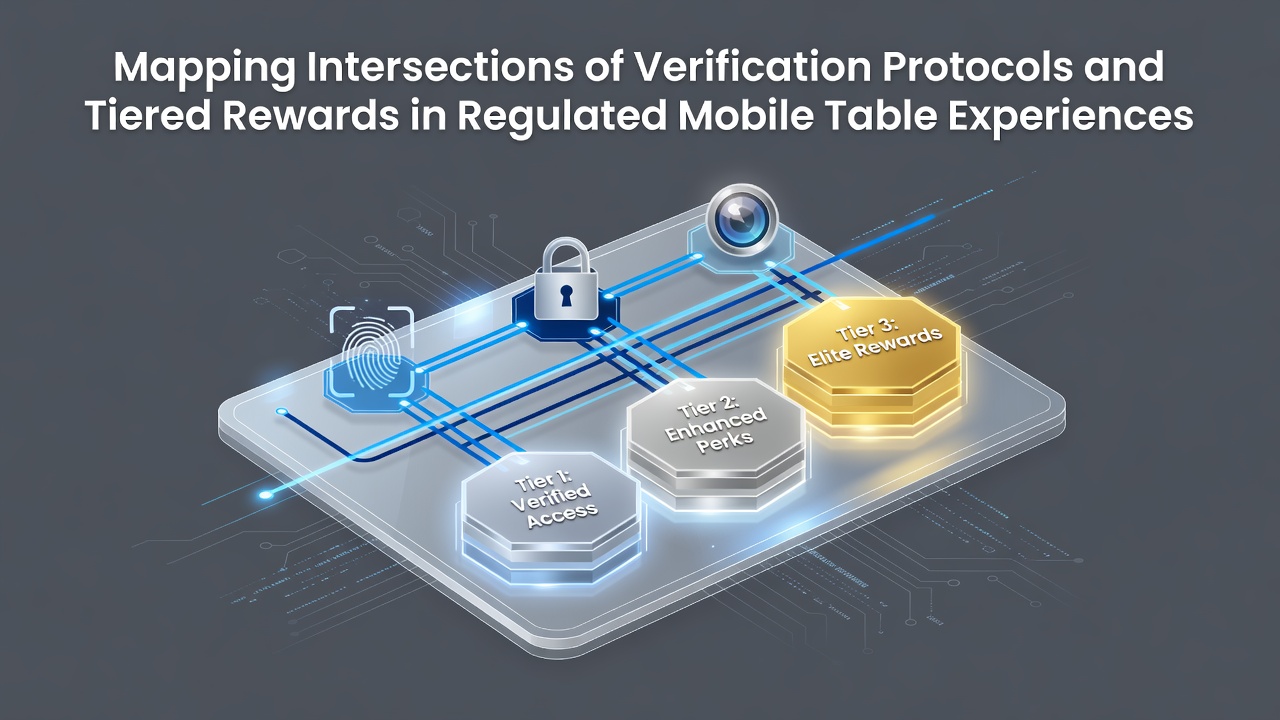
The Convergence of Compliance Frameworks and Incentive Programs in Regulated Mobile Casino Tables
Regulated mobile table experiences combine real-time verification protocols with tiered reward structures that adjust access and benefits according to player status and compliance records, and this integration shapes how operators deliver games like blackjack, roulette, and poker on smartphones and tablets across multiple jurisdictions.
Core Elements of Verification Protocols in Mobile Settings
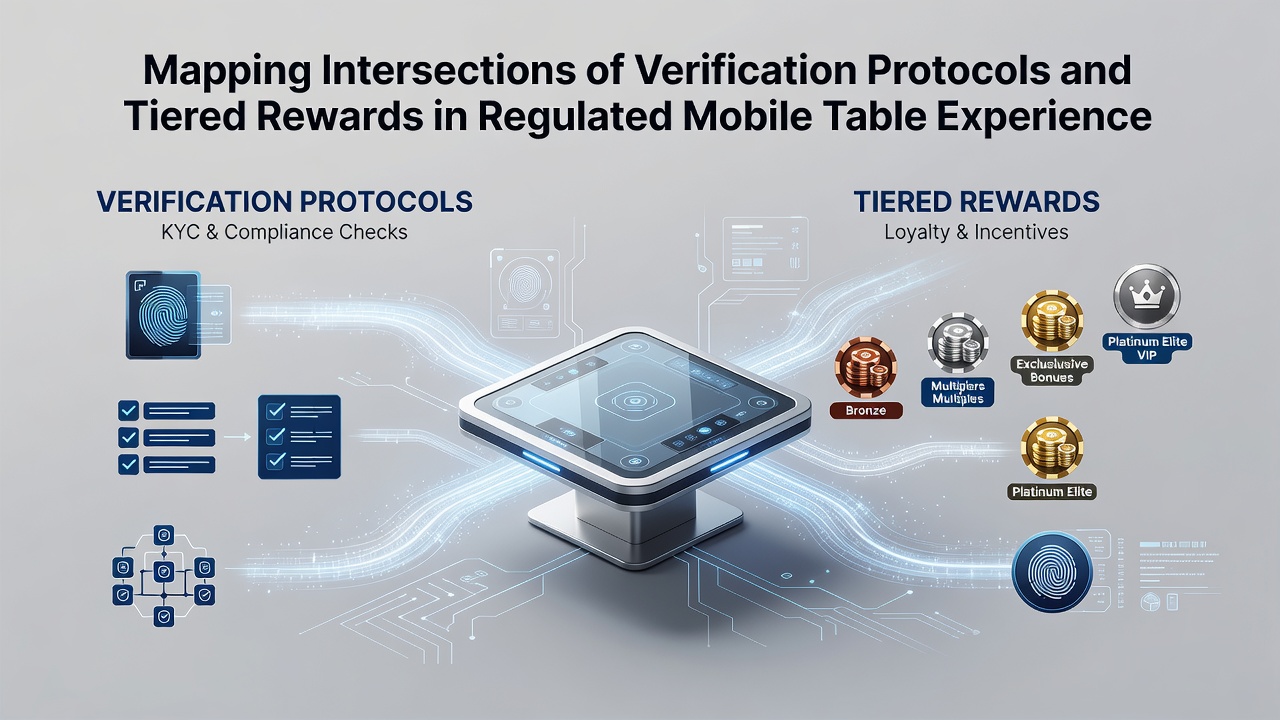
Verification protocols require players to submit identity documents, biometric data, or device-linked confirmations before they gain entry to live dealer tables or progressive jackpot pools, and regulators in various regions mandate these steps to prevent underage participation and money laundering while operators embed the checks directly into app onboarding flows. Data from industry reports indicate that automated document scanning combined with facial recognition now completes initial verification in under ninety seconds for most users, although manual reviews still apply when discrepancies arise in address records or payment histories.
Systems often layer additional checks at reward redemption points, and this practice ensures that tier advancements align with ongoing compliance rather than static account creation dates alone. Observers note that September 2026 brings updated technical standards in several Canadian provinces that will require operators to refresh verification data every twelve months for players in higher reward tiers, a change driven by cross-border data sharing agreements.
Tiered Rewards Structures and Their Operational Logic
Tiered rewards assign players to bronze, silver, gold, or platinum levels based on cumulative table game activity measured in real money wagers, and each level unlocks distinct benefits such as faster cashouts, exclusive tournament entries, or reduced house edges on select mobile tables. These programs track play through encrypted session logs that feed directly into loyalty engines, and the resulting points convert into both monetary credits and non-cash perks like personalized dealer invites or virtual table reservations.
Research indicates that higher tiers receive priority access to new game releases and live event streams, yet operators maintain separate compliance flags that can freeze reward accumulation if verification lapses occur. The architecture separates promotional databases from financial transaction ledgers to satisfy audit requirements while still allowing seamless in-app notifications when a player qualifies for an upgrade.
Where Verification and Rewards Intersect in Practice
Intersections appear most clearly during tier progression events, when a player crosses a wager threshold and the system triggers a secondary identity review before releasing new benefits, and this dual gate prevents reward farming through multiple accounts. Operators in regulated markets link verification status to reward multipliers so that fully verified platinum members receive bonus points at a higher rate than provisional accounts still completing paperwork.
One documented case involved a European operator that adjusted its mobile roulette tables to require fresh biometric confirmation before awarding monthly loyalty cashback to gold-tier users, and the change reduced disputed transactions by seventeen percent according to internal metrics shared with regulators. Another example comes from Australian platforms that tie progressive jackpot eligibility in mobile blackjack directly to verified residential addresses, ensuring prize claims align with local tax reporting rules.
Industry organizations such as the Pennsylvania Gaming Control Board have published guidance on synchronizing these systems, and their 2025 framework emphasizes audit trails that record every verification event alongside corresponding reward adjustments. Academic researchers at institutions studying digital gambling have examined how these intersections affect player retention, with preliminary findings showing that transparent mapping of verification steps to reward unlocks correlates with longer session durations in controlled trials.
Regulatory Developments Shaping the Landscape
Across North America and parts of Europe, licensing conditions now specify that reward algorithms must incorporate real-time verification flags rather than batch processing, and this requirement pushes developers to build modular APIs that allow regulators to query compliance status without accessing full player profiles. Figures from market analyses reveal that jurisdictions adopting these standards saw a measurable drop in underage access attempts on mobile table apps during the first year of enforcement.
Yet implementation varies by region, and some operators in emerging markets still rely on periodic manual audits while others deploy continuous monitoring through device fingerprinting and behavioral analytics. Those who've studied the sector observe that September 2026 will introduce mandatory reporting intervals in certain Australian states that force operators to submit aggregated data on verification-reward linkages every quarter, a move intended to support research into responsible gaming outcomes.
Technical Integration Patterns Observed in Live Environments
Backend architectures typically route verification results through a centralized compliance module that feeds status flags into the loyalty engine, and this design allows tier benefits to activate or pause automatically based on current verification validity. Mobile table interfaces display subtle indicators such as checkmarks or progress bars that inform players about pending reviews without disrupting gameplay flow.
Payment method verification often overlaps with reward tier calculations because operators assign extra points for deposits made through fully confirmed bank accounts or e-wallets, and the combined dataset helps satisfy anti-money laundering thresholds set by oversight bodies. Studies from research centers focused on gaming technology have documented how these layered systems reduce manual intervention rates while maintaining audit integrity across high-volume mobile sessions.
Conclusion
The mapping of verification protocols onto tiered rewards continues to evolve as mobile table experiences expand under tighter regulatory oversight, and the resulting frameworks balance operational efficiency with compliance demands through integrated data flows and scheduled updates. Operators that maintain clear linkages between these elements demonstrate measurable improvements in transaction accuracy and player account stability, while regulatory bodies gain enhanced visibility into reward distribution patterns across jurisdictions.